An Italian Wedding
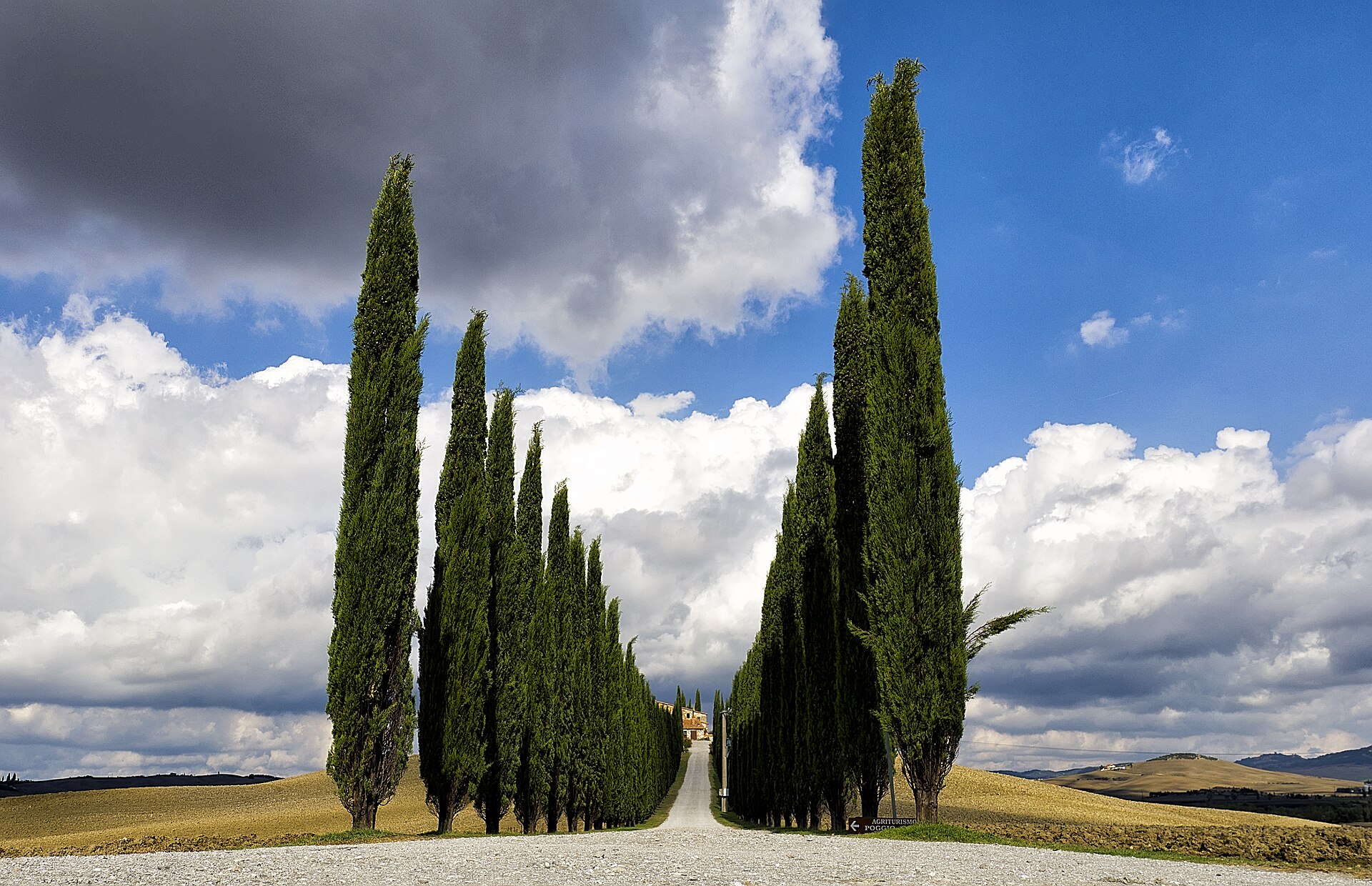
Perhaps one of you has Italian roots, or perhaps you have simply fallen for the timeless elegance of Italy, its cypress-lined hills, candlelit piazzas and long tables beneath the vines. An Italian theme brings old world charm and warmth to your wedding day.
A Feast Worth Waiting For
The heart of any Italian wedding is the food. In Italy a wedding banquet can stretch to fourteen courses, accompanied by wine, cocktails and coffee, and the whole family is invited, down to the youngest children. For a celebration on this scale, look at banquet halls, Italian restaurants with private rooms, or an outdoor setting with plenty of space for long tables and dancing.
Italian Theme Essentials
- Colors: Tuscan gold, wine red and olive green, or the red, white and green of the flag
- Ceremony: a ribbon tied across the church door to symbolize the joining of two families
- Feast: antipasti, pasta, meat, fruit and salad courses, then a sea of desserts
- Dance: the cookie dance and a lively tarantella
- Favors: confetti, the sugared Jordan almonds, five to a tulle bag
Colors and Old World Glamour
Colors can evoke a region, such as the golden light of Tuscany, or the red, white and green of the Italian flag. Rich gold gowns suit the bridesmaids beautifully, with gold ties for the groomsmen. Tradition says the groom carries a small piece of iron in his pocket to ward off bad luck, and a bride might add gold embroidery to her gown or gold ribbon to her bouquet.
Most Italian weddings are church weddings, and Sunday has long been thought the luckiest day to marry. A large ribbon was often hung over the church entrance, showing all who entered that two people and two families were being tied together, a lovely custom to carry on at any ceremony. Traditionally brides avoided May, the month devoted to the Blessed Mother, and August, when so many families were away on holiday.
Italian weddings are lavish and often formal. Dress your reception with gold organza table covers and generous centerpieces: red glass vases spilling white flowers tied in gold ribbon, crystal vases of red roses with gilded branches, or clusters of grapes with ivy and fresh blooms that recall the Italian countryside.
From Antipasti to the Viennese Table
Greet guests with an antipasto spread of olives, rustic breads, cheeses, marinated mushrooms, grilled eggplant, prosciutto, capicola and salami, along with bruschetta topped with tomato or white bean. For dinner, plan a pasta course, a meat course, then fruit, salad and dessert. Some Italian families even host a breakfast after the festivities.
Dessert is a celebration of its own. Some Italian weddings skip the cake entirely in favor of a cookie cake and the cookie dance, a joyful line led by the bride and groom that winds past the table as each dancer takes a cookie. A Sicilian wedding often ends with a Viennese table piled with cookies, cannoli, cakes, pastries, nuts and fruit, served with sweet liqueurs, espresso and cappuccino.
No Italian wedding is complete without confetti, the sugar-coated Jordan almonds that symbolize the bitter and the sweet of married life. Every guest receives a little tulle bag, or a silver box or ceramic keepsake for something more elaborate. Personalized wine, flavored olive oils or a bag of sugar-dusted fried dough twists are lovely too. Food, family and festivity: that is the Italian way. Cent’anni!